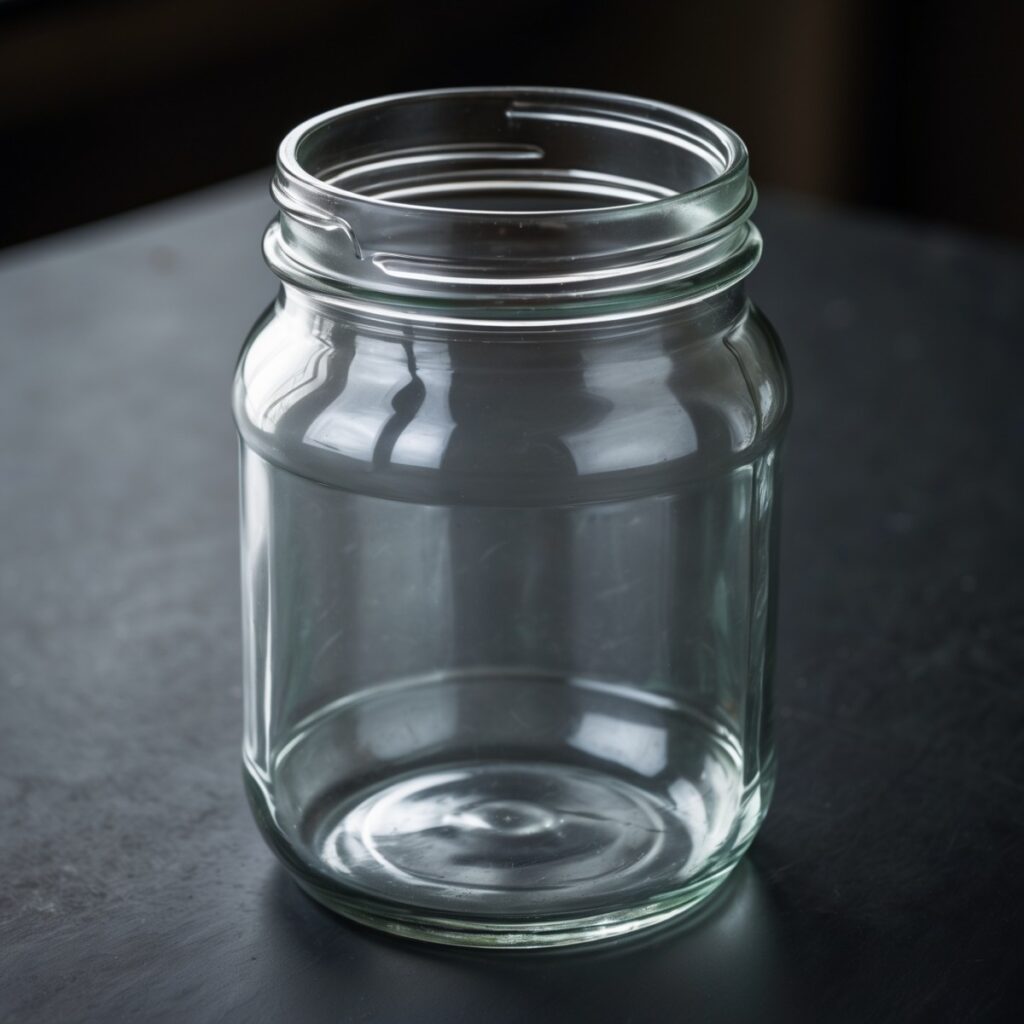
A professor stood before his philosophy class and set a large, empty mayonnaise jar on the table in front of him.
Beside it he lined up bowls of golf balls, pebbles, and sand, along with a cup of coffee.
He asked for a volunteer.
A young woman raised her hand. He slid the jar forward and said, “Each represents a priority in your life. Fill it in the right order and you will get an A.”
She walked to the table and looked at everything. “In what order?”
“That’s the exercise,” he said.
“What do the golf balls symbolize?” she asked.
“That is up to you.”
She reached for a golf ball. Golf balls were the biggest, so they must be the important things. Then she stopped, because she realized she didn’t know what her golf balls were. Was graduate school a golf ball, or was it a pebble she’d been told to want? Was the person she’d been seeing a golf ball, or a pebble?
“I don’t want to get it wrong,” she said. “Can I try next week?”
The professor nodded. “You can have the entire semester if you need.”
“Then I’d rather think about it first. I’ll fill the jar when I’m sure.”
The next week she wasn’t sure. She had narrowed it down. She had made a list. She was close.
At midterms she had a change of heart about the golf balls and needed to start over. In November she said the timing was bad because she was waiting to hear back about a fellowship, and once she knew, the order would be obvious.
On the last day of the term, the professor picked up the jar, still empty, and held it up to the class.
“Every year I give this lecture,” he said, “and every year I get a different result.”
He turned the jar over. Nothing came out.
“The only jar I can’t help you rearrange is this one. Not because it’s broken, but because there’s nothing in it. A filled jar can be poured out and filled again. Sand pours out. Pebbles pour out. You take the wrong job and two years later you leave it. You spend a decade on something that turns out to be a pebble, and when you remove it, you have room again. Filling it wrong is not fatal. Filling it wrong is how we find out what our priorities are.”
He set the jar back down on the table.
This time, the young woman came to the table and filled the jar with golf balls, pebbles, and sand.
The professor said, “This jar represents your life. The golf balls are the important things: God, family, children, health, friends, and passions. They’re the things that, if everything else were lost and only they remained, would still leave your life full. The pebbles are the other things that matter, like your job, your house, and your car. The sand is everything else, the small stuff.”
“Pay attention to the things that are critical to your happiness. Play with your children. Take time to get medical checkups. Take your partner out to dinner. Play another 18. There will always be time to clean the house and ‘fix the disposal.’”
“Take care of the golf balls first. These are the things that really matter. Set your priorities. The rest is just sand. And the most important part of this lesson is to start today.”
“Is it full?” the professor asked.
“I think so,” she answered.
The professor poured the cup of coffee in. “The coffee shows us that no matter how full your life may seem, there’s always room for coffee with a friend.”
“Do I fail?” the young woman asked.
“Did you learn from this?” the professor asked.
“Yes.”
“Then you get an A.”